







 WhatSpa? Approved Manufacturer
  Rated 4.4 Stars On Google
 Over 300 Showrooms Worldwide

Whether you enjoy spending time relaxing alone in your hot tub or socialising with friends and family in the garden, investing time and effort into your outdoor space allows you to make the most of it, all year round.
To help both beginners and experienced gardeners alike, our seasonal guide will provide practical, month-by-month advice throughout 2016 to help your UK garden thrive. We’ve teamed up with Noah Mabey, Senior Gardener at Thornbridge Hall and Estate, who has shared his professional tips, covering everything from pruning and planting to lawn care and wildlife support.
Organised by season and month, it’s designed to be easy to navigate, with clear tips on what to do – and what to avoid – so your garden stays healthy, beautiful, and full of interest throughout the year.
January Gardening Tips
January is the perfect time for gentle garden preparation, structural care, and planning for the year ahead. Even though growth is slow, there are jobs that can give your garden a head start, ready for when spring arrives.
What To Plant In January
Whilst most seeds should be planted once the weather starts to warm up, January can still be a great time to get some vegetables started indoors. Onions, leeks, some tomato varieties, and celeriac can be started off in your greenhouse.
Outside, hardier vegetables can be planted, like broad beans and sweet peas in cold frames, providing the ground isn’t frozen. Slow-growing flower varieties, like Geraniums, Begonias, Petunias, and Snapdragons can also be planted out this time of year.
Jobs To Do In January
- Prune winter-flowering shrubs after they’ve finished blooming (like ornamental cherries and viburnums)
- Tidy up borders by removing last season’s spent growth
- Check your garden tools – sharpening blades and oiling hinges now means you’ll be ready for busier months ahead.
Top Tip: Protect emerging shoots and young plants from frost by using horticultural fleece on cold nights. If you haven’t done so already, take this quieter time to map out your planting plans and make a note of areas that need soil improvement once conditions allow.
February Gardening Tips
February is far busier in the garden than people realise. Whilst it still might be wet and cold, dedicated time in your garden can really help set you up for success come Springtime.
What To Plant in February
This month is ideal for sowing sweet peas indoors or in a greenhouse; just take care not to overwater them. Most other seeds are best left until March, when light levels improve.
February is also bare root season, making it perfect for planting roses, fruit trees, ornamental trees, and hedging. Keep roots moist before planting and avoid placing them in frozen soil.
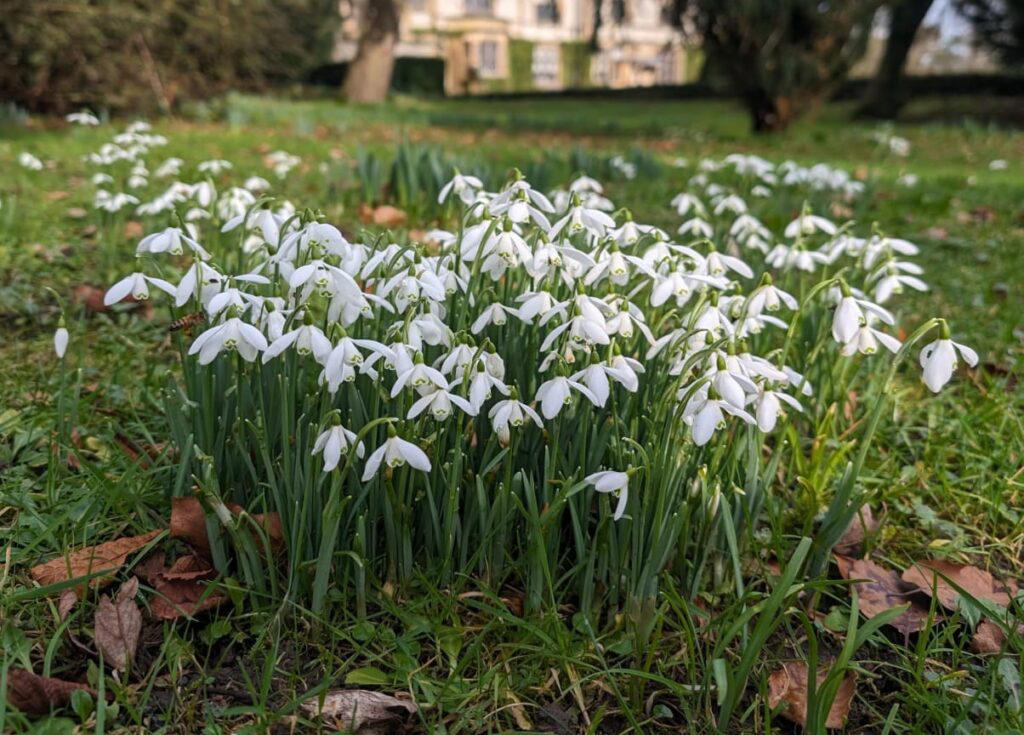
If you have snowdrops, wait for them to finish flowering, then divide them “in the green” to increase your stock, and make sure to water any spring bulbs, like tulips, during dry spells.
Jobs To Do in February
- Prune roses to maintain shape and encourage healthy spring growth.
- Continue pruning fruit trees and wisteria to improve structure and productivity.
- Remove any dead, diseased or damaged growth before active growth begins.
- Avoid pruning hydrangeas and lavenders until spring.
Top Tip: Avoid walking on frosty grass, as frozen lawns are fragile and can be damaged easily. Heavy lawn treatments should also be delayed until temperatures rise consistently.
March Gardening Tips
Gardening jobs tend to ramp up as the weather gets warmer, so March is the perfect time to prepare borders, start sowing seeds indoors and lay the groundwork for a colourful spring and summer.
What To Plant in March
March is ideal for sowing hardy annuals indoors on a bright windowsill. Varieties such as poppies, calendula, nigella and cosmos can be started now, along with wildflower mixes. It’s also the final opportunity to plant bare root trees, hedging and roses before the season ends.
Ordering dahlia tubers this month ensures you’re ready for vibrant summer displays later in the year. The best varieties go quick, so if you’re stocking up on the dark-red ‘Black Jack’, ‘Bantling’, ‘Chimacum Troy’, ‘Bishop of Llandaff’, ‘Totally Tangerine’, or the gorgeous ‘Café au Lait’ seeds, you better order them now!
Jobs To Do in March
- Continue cutting back old perennial stems to allow fresh growth to emerge.
- Mulch borders to protect and enrich the soil as temperatures fluctuate.
- Feed roses and fruit trees with well-rotted manure or a balanced general fertiliser.
- Check plant pots regularly to ensure they are not waterlogged or drying out in changeable weather.
- Jet wash patios and paths that may have become slippery over winter.
- Begin planning hydrangea pruning once you can clearly see new buds forming.
Top Tip: Wait until you can clearly see new buds forming before pruning hydrangeas – this helps avoid accidentally removing this year’s flowers.

April Gardening Tips
April is a month that finally brings some visual transformation in the garden and you start to see your hard work in months prior come to life! Flowers begin to bloom in earnest, lawns need attention, and it’s a key month for shaping plants ahead of the growing season.
What To Plant in April
April is a busy planting month as soil begins to warm and daylight increases. You can sow hardy vegetables such as carrots, peas, spinach, lettuce and radishes directly outdoors, along with planting onion sets and early potatoes. Tender crops like courgettes and tomatoes can be started indoors or in a greenhouse ready for planting out later in spring.
It’s also a great time to add colour to borders. Summer-flowering bulbs such as dahlias, lilies and gladioli can be planted now, while hardy annuals and bedding plants begin to establish well as temperatures rise.
Jobs To Do in April
- Deadhead daffodils once they’ve flowered to redirect energy back into the bulb.
- Divide and reposition overcrowded plants within borders where needed.
- Check lawns for dead or compacted areas and reseed where necessary.
- Aerate lawns using a garden fork to improve drainage and reduce compaction.
- Make note of gaps in borders to plan ahead for autumn bulb planting.
- Take time to enjoy your garden as spring colour begins to emerge.
Top Tip: Leave daffodil foliage to die back naturally after flowering – this allows energy to return to the bulb for next year’s display.
May Gardening Tips
May is a key month in the garden, with strong growth, warmer temperatures and plenty of jobs to stay on top of. It’s also a crucial time to be mindful of wildlife, especially during nesting season.
What To Plant in May
May is the perfect time to start planting out tender bedding plants once the risk of frost has passed. Geraniums, petunias, begonias, and salvias can all be safely added to borders, pots and containers, bringing instant colour to outdoor spaces.
You can also continue planting summer vegetables such as courgettes, tomatoes, cucumbers, and beans, either in greenhouses or in sheltered outdoor spots as temperatures rise. Hardy herbs including basil, parsley, and coriander also establish well at this time of year.
It’s also a good month to think ahead with succession planting, helping to ensure continuous colour and cropping through the summer months.
Jobs To Do in May
- Prune spring-flowering shrubs such as forsythia, ribes, spiraea and choisya once flowering has finished
- Remove spent blooms first, then cut back around one-third of older woody stems to encourage fresh growth
- Cut back tender perennials like penstemons, salvias and fuchsias once frost risk has passed to promote strong new shoots
- Train and tie in climbers such as honeysuckle, roses and wisteria to support structure and encourage better flowering
- Tie climbing and rambling rose stems horizontally to increase flowering shoots
- Shorten long wisteria growth after flowering to encourage flowering spurs, or tie in new shoots if still training the plant
- Check for frost or wind damage and remove any broken or dead stems
- Inspect plants carefully before any pruning or cutting back to avoid disturbing nesting wildlife
Top Tip: Take a few extra moments to inspect plants carefully before pruning in May. While it can be tempting to tidy everything quickly as growth accelerates, a more measured approach will help protect wildlife and ensure stronger, healthier plants throughout the summer.
June Gardening Tips
June is when the garden really starts to come into its own. Borders begin to fill out, summer flowers burst into bloom, and longer days mean plants are growing rapidly. Whilst it can be tempting to simply sit back and enjoy the results of your hard work, June is a crucial month for planting, watering and keeping on top of maintenance jobs that will help your garden look its best throughout the summer.
What To Plant in June
June is the ideal time to plant out summer bedding displays and tender annuals once they have established strong roots. Dahlias can now be moved into borders and containers, while hanging baskets can be filled with colourful favourites such as petunias, fuchsias and trailing lobelia to provide months of vibrant displays.
If you’re looking to add quick bursts of colour to your garden, now is also a great time to sow easy-growing annuals including sunflowers, nasturtiums, cosmos and marigolds. These varieties establish quickly and can provide continuous flowers well into autumn.
Gardeners can continue sowing herbs and salad crops throughout June too. Basil, parsley, coriander and lettuce all grow well at this time of year, providing a steady supply of fresh ingredients throughout the summer months.
Jobs To Do in June
- Deadhead roses and other flowering plants regularly to encourage repeat blooms throughout the season.
- Cut spent rose flowers back to a healthy set of five leaves to promote stronger regrowth and more flowers.
- Water deeply at the base of plants rather than little and often, ensuring moisture reaches the roots where it’s needed most.
- Install or adjust plant supports before heavy growth begins to flop over.
- Tie in new rose stems and climbing plants to maintain structure and maximise flowering.
- Shorten long, whippy growth on wisteria to keep plants tidy and encourage healthy development.
- Plant out tomatoes, pumpkins and other tender crops once conditions are consistently warm.
- Lift and store tulip bulbs once foliage has completely yellowed, freeing up space for summer displays.
- Lightly trim topiary plants such as box, yew and holly to maintain their shape through the growing season.
Top Tip: Many gardeners water little and often during warm weather, but this can encourage shallow root growth and weaker plants. Instead, water thoroughly at the base of plants and allow moisture to penetrate deeply into the soil. This encourages stronger roots and helps plants cope better during prolonged dry spells.
August Gardening Tips
August is all about making the most of your garden while preparing it for the seasons ahead. Summer borders should still be bursting with colour, fruit and vegetables are ready to harvest, and there are plenty of simple maintenance jobs that will keep your garden looking its best well into autumn. It’s also one of the best months to start planning ahead, whether that’s collecting seeds, taking cuttings or sowing plants for next year.
What To Plant in August
Although the growing season is beginning to slow, August is an excellent month for sowing crops and flowers that will provide colour and harvests beyond summer. Salad leaves such as lettuce, rocket and spinach can still be sown for late-season picking, while spring cabbage, spring onions and hardy herbs continue to establish well.
It’s also the perfect time to sow biennials including foxgloves, wallflowers, sweet williams and giving them plenty of time to establish before producing spectacular displays next spring. August is also one of the best months to take semi-ripe cuttings from plants such as lavender, rosemary, salvias, penstemons and hydrangeas, allowing you to grow new plants for free.
Jobs To Do in August
- Continue deadheading flowering plants to encourage fresh blooms rather than seed production.
- Feed hanging baskets, patio pots and summer bedding weekly to keep displays healthy and colourful.
- Lightly trim lavender once it has finished flowering, avoiding the older woody stems.
- Collect and store seeds from your favourite flowers, or scatter varieties such as poppies where you’d like them to grow next year.
- Harvest tomatoes, cucumbers, herbs and soft fruit regularly to encourage continued cropping.
- Tie in long rose stems to prevent wind damage and continue deadheading repeat-flowering varieties.
- Cut back tired hardy geraniums and nepeta to encourage fresh growth and a second flush of flowers.
- Provide fresh water for birds, bees and butterflies during warm weather using shallow dishes with stones or gravel for insects to land safely.
- Don’t panic if your lawn turns brown during prolonged dry spells – established grass will usually recover naturally once cooler, wetter weather returns.
Top Tip: August is the perfect month to take a few semi-ripe cuttings from your favourite plants. Not only is it an easy and cost-effective way to grow your garden for free, but it also means you’ll have healthy young plants ready to establish next spring.
September Gardening Tips
September marks the transition from summer into autumn, but the gardening season certainly isn’t over yet. There is still plenty of colour to enjoy, and with a little maintenance, you can keep flowers blooming until the first frost while starting to prepare your garden for the cooler months ahead.
What To Plant In September
Towards the end of September, you can start replacing tired summer bedding with plants that will provide colour through autumn and winter. Pansies, wallflowers, and forget-me-nots are all great options, as the soil is still warm enough for their roots to establish before colder weather arrives.
September is also a good time to start planning ahead for spring. Grab a cup of tea and choose the spring bulbs you’d like to plant, thinking about where they’ll work best in your garden. While some bulbs can be planted during autumn, it’s worth holding off on planting tulips until November or December to help reduce the risk of disease.
Jobs To Do In September
- Keep deadheading flowering plants to encourage them to continue blooming until the first frost, and continue feeding pots and annuals while they’re still actively growing.
- Enjoy dahlias while they’re at their best, taking care when deadheading to tell the difference between spent blooms and new flower buds. Spent flowers tend to be more pointed, while new buds are rounder.
- Leave some flowers to go to seed and collect them once mature, giving you the chance to grow more plants for free next year.
- Lift and dry gladioli bulbs once they have finished flowering, ready to store and replant next year.
- Dig up and divide overcrowded perennials to rejuvenate plants, encourage healthy growth and create extra plants for your garden.
- Give hedges a final tidy now the main bird nesting season has finished, but always check carefully for active nests before cutting.
- Don’t panic if your lawn is looking brown and crispy after a dry summer. Grass will often recover naturally once rainfall returns, so avoid feeding or fertilising while it is dormant.
- Avoid pruning spring-flowering shrubs, including rhododendrons, camellias, lilacs, magnolias, daphne, osmanthus, chaenomeles, and mahonia, as many will already be forming the buds for next year’s display.
Top Tip: September is all about making the most of the garden while preparing for the seasons ahead. Don’t be too quick to write off your flowers for the year – regular deadheading and feeding can keep borders, pots, and hanging baskets colourful right up until the first frost.
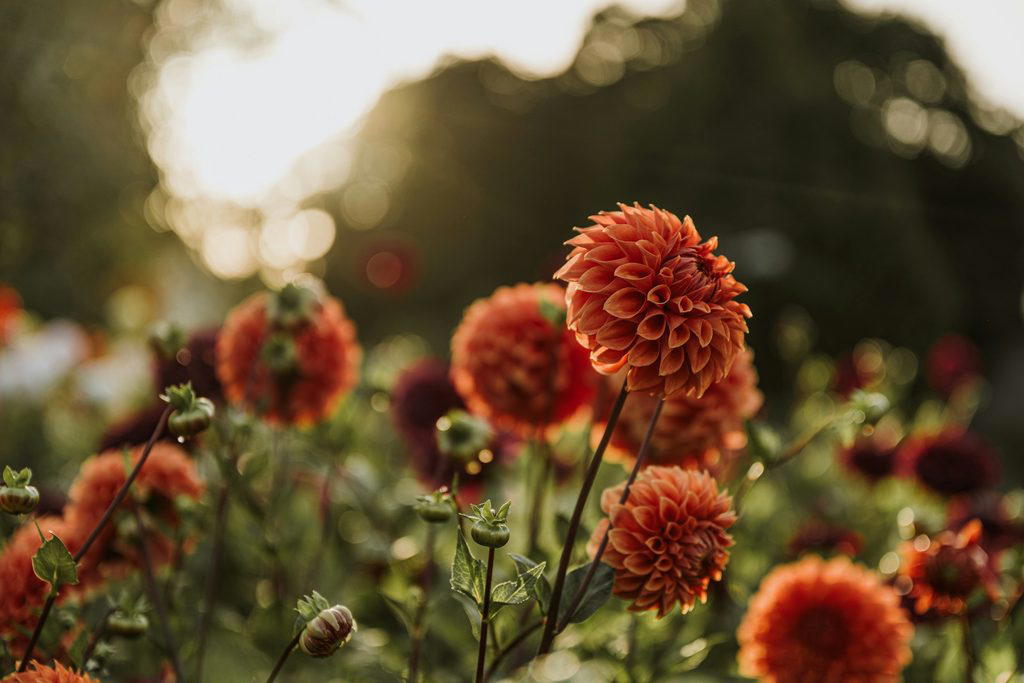
October Gardening Tips
October is a month of transition in the garden, with autumn colour appearing, temperatures dropping and growth beginning to slow. There are still plenty of jobs to get stuck into, from planting spring bulbs to preparing plants and borders for the colder months ahead.
What To Plant in October
October is one of the best months for planting spring-flowering bulbs, giving them plenty of time to establish before winter. Daffodils, tulips, crocuses, alliums and hyacinths can all be planted now, either directly into borders or in pots and containers.
It’s also a good time to plant bare-root trees, shrubs and hedging once they become available later in the month. The cooler weather and moist soil help new plants establish their roots before the growing season begins again in spring.
For gardeners growing their own vegetables, hardy crops such as garlic, broad beans, onions and winter salads can still be planted, particularly in sheltered areas or under protection.
Jobs To Do in October
- Plant spring-flowering bulbs such as daffodils, tulips, crocuses and alliums.
- Clear away fallen leaves from lawns, paths and patios regularly to prevent them becoming slippery or damaging the grass.
- Cut back tired herbaceous perennials once they have finished flowering, leaving some seed heads in place for wildlife where possible.
- Lift and store tender plants such as dahlias if frost is forecast, keeping them somewhere cool and dry over winter.
- Divide overcrowded perennials while the soil is still warm and workable.
- Give hedges a final tidy before winter, but avoid heavy pruning of plants that provide food or shelter for wildlife.
- Continue harvesting pumpkins, apples, pears and other autumn crops before temperatures drop further.
- Clean and store summer pots and containers that are no longer in use.
Top Tip: Don’t be too quick to clear every fallen leaf and spent flower from your garden. Leaving some natural material in borders can provide valuable shelter and food for insects and other wildlife over winter.
November Gardening Tips
November is all about preparing the garden for winter while making the most of the cooler, wetter conditions. Growth is slowing down, but there are still plenty of opportunities to plant, tidy and protect your garden before the worst of the weather arrives.
What To Plant in November
November is an excellent time to plant bare-root trees, shrubs and hedging, provided the ground isn’t frozen or waterlogged. Planting during dormancy gives roots time to establish before spring growth begins.
You can also continue planting spring-flowering bulbs, including tulips, daffodils and crocuses. Tulips in particular benefit from being planted later in the year, as cooler soil can help reduce the risk of disease.
For vegetable gardeners, garlic, broad beans and winter onions can still be planted, while winter salad crops can be grown under cloches or in a greenhouse for protection.
Jobs To Do in November
- Continue planting spring bulbs while the ground remains workable.
- Plant bare-root trees, roses and hedging as they become available.
- Clear leaves from lawns regularly to prevent them blocking light and air from reaching the grass.
- Protect tender plants and young trees from harsh weather using fleece or other suitable coverings.
- Raise pots off the ground to improve drainage and prevent them sitting in water during wet weather.
- Clean gutters, water butts and drains before heavy winter rainfall arrives.
- Cut back dead growth where necessary, but leave some seed heads standing to provide food and shelter for wildlife.
- Check fences, supports and structures for damage before winter winds become stronger.
- Avoid walking on lawns when they are frozen, as this can damage the grass and leave unsightly footprints.
Top Tip: November is a great time to check your garden drainage. Heavy autumn and winter rainfall can quickly expose areas where water is pooling, so improving drainage now can prevent bigger problems later in the season.
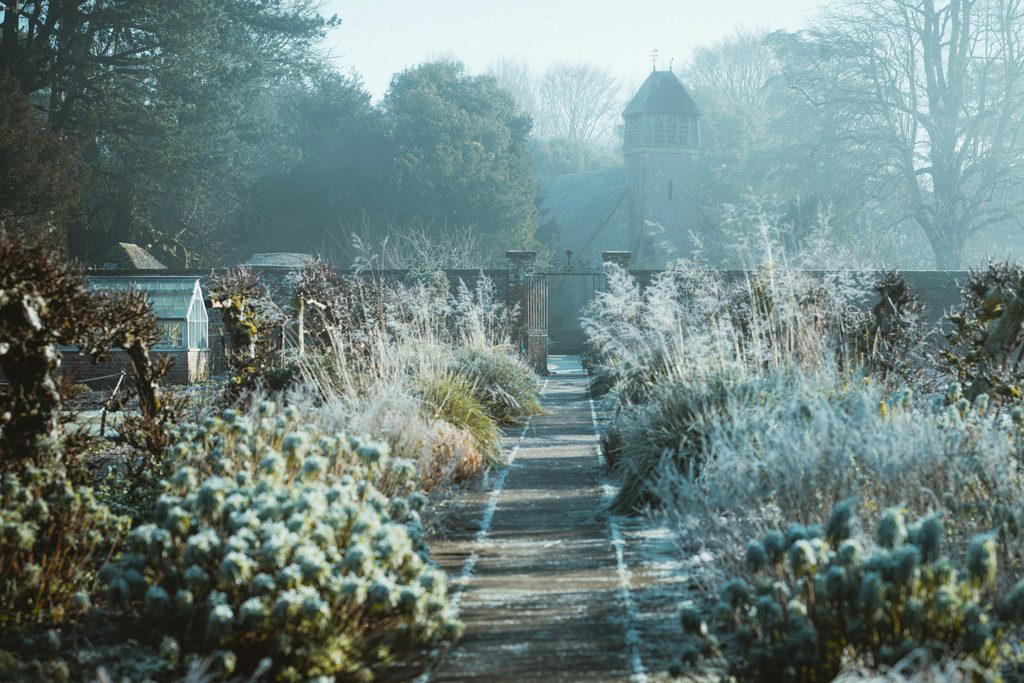
December Gardening Tips
December is one of the quietest months in the garden, but there are still a few important jobs to keep on top of. With shorter days, colder temperatures and the possibility of frost, the focus should be on protecting plants, maintaining the garden and planning ahead for spring.
What To Plant in December
There are fewer planting opportunities in December, particularly during periods of frost, but bare-root trees, shrubs and hedging can still be planted while the ground remains workable.
Hardy crops such as broad beans, garlic and winter onions can also be planted in sheltered areas, while spring bulbs can still be added to the garden if you haven’t got around to planting them earlier in autumn.
December is also a good time to start planning what you want to grow next year. Ordering seeds, checking planting spaces and making a note of any gaps in your borders now can save time once the gardening season gets busy again.
Jobs To Do in December
- Protect tender plants from frost using horticultural fleece or move container-grown plants somewhere sheltered.
- Check newly planted trees and shrubs after strong winds and make sure stakes and ties are secure.
- Remove heavy snow from delicate branches carefully to prevent them snapping.
- Keep clearing fallen leaves from lawns, paths and drains.
- Avoid walking on frozen lawns wherever possible to prevent damage to the grass.
- Check stored bulbs, tubers and dormant plants regularly for signs of rot or mould.
- Clean, sharpen and oil garden tools so they are ready for the new growing season.
- Provide fresh water and food for garden birds during cold weather.
- Leave some fallen leaves, seed heads and natural material in quieter areas of the garden to provide winter shelter for wildlife.
- Use the quieter month to plan borders, order seeds and make a list of jobs for the year ahead.
Top Tip: December is the perfect time to slow down and look at your garden as a whole. With many plants dormant, you can clearly see the structure of borders, paths, trees and hedges, making it easier to identify what needs changing or improving before spring arrives.
Enhance Your Garden Retreat with Platinum Spas
At Platinum Spas, we believe the finishing touch to a well-planned garden retreat is a feature that helps you to truly switch off. From hot tubs to swim spas, our range is designed to complement your outdoor space and allow you to enjoy your garden during every season.
Get in touch with our team of experts to discuss which products are best suited to you and your garden.