
 ¿QuéSpa? Fabricante autorizado
  Valorado con 4.4 estrellas en Google
 Más de 300 showrooms en todo el mundo

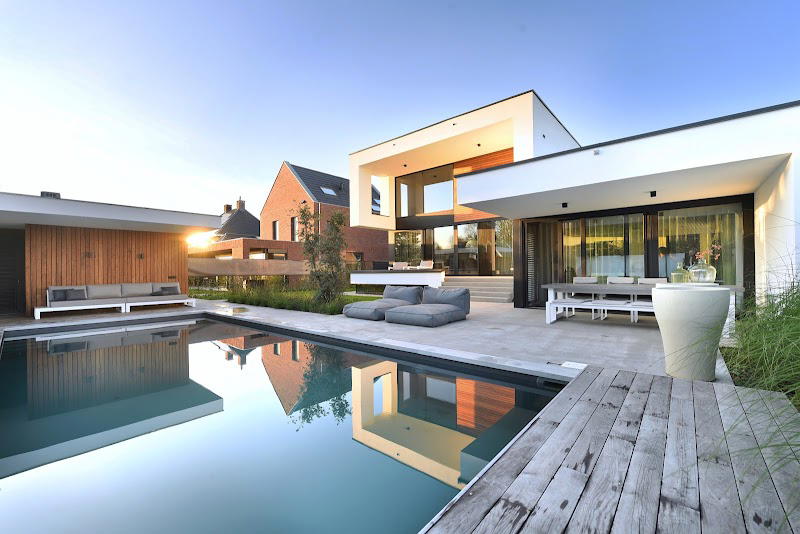
A few years ago, a home spa meant a hot tub and not much else. That has changed. More homeowners are now building a proper setup in the garden, pairing warm water with dry heat and a cold plunge, and using all three the way you would at a spa day.
You do not need to build it all at once, and most people do not. But planning the whole thing before you install the first piece will save you money and a lot of digging later.
What Makes a Home Spa Different From Just a Hot Tub?
A hot tub on its own is a wonderful thing. A home spa is what happens when you add temperature contrast to it.
Spas around the world are built on the same idea. You warm the body, then cool it, then rest, and repeat. The warmth relaxes muscles and opens blood vessels. The cold closes them again. The rest between rounds is where most of the good feeling actually lands. A single hot tub gives you the first half of that cycle. A full setup gives you all of it.
In practice, that usually means three things in the garden: a hot tub for warm water, a sauna for dry heat, and something cold. They do genuinely different jobs, which is why people who have all three tend to use all three.
Start With the Hot Tub
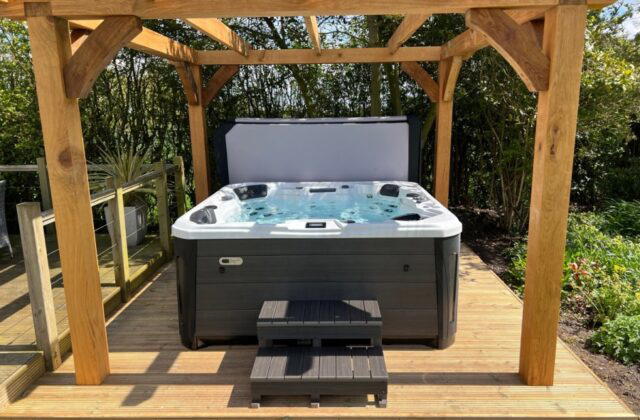
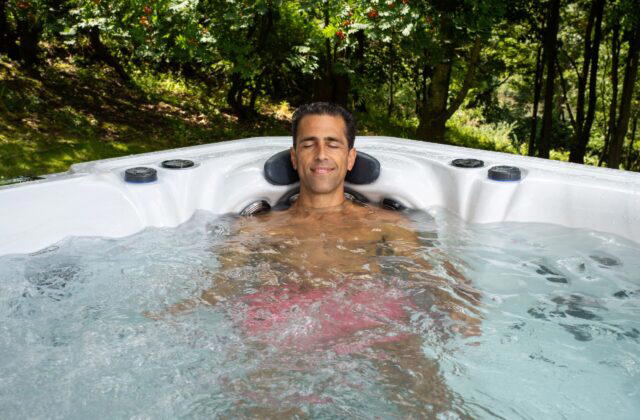
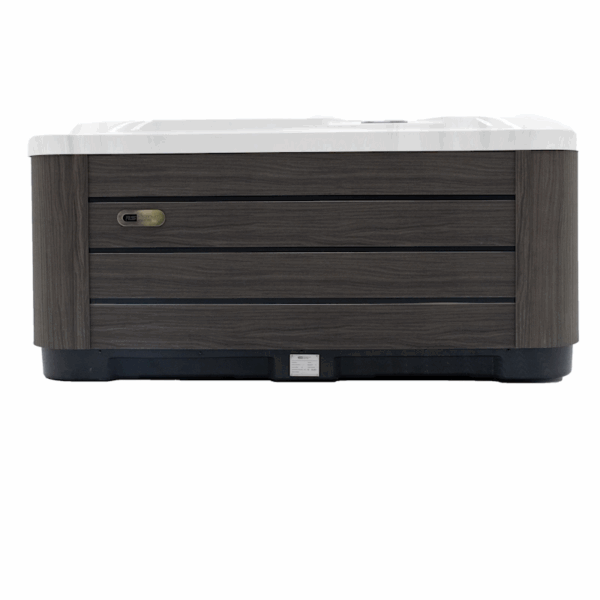
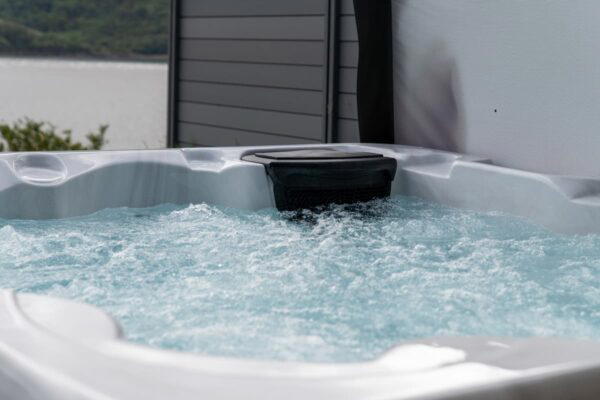
The hot tub is the piece you will use most, so it should drive the rest of the layout. It is the most sociable part of a home spa, the easiest to use on a cold Tuesday night, and the one that gets switched on without much thought.
Two decisions matter more than the rest. The first is seat count, and most people overestimate it. A five or six seat tub sounds generous until you realise you use two seats almost every time. The second is where it goes, because a hot tub that is a long cold walk from the back door gets used far less in January.
For more on choosing a spot, read our guide: ¿Dónde coloco mi spa?
Adding Dry Heat With a Sauna
This is the part most people skip, and it is the one that changes a hot tub into a home spa.
A sauna does something a hot tub cannot. The air is hot and dry, usually 70 to 90 degrees at around 10 to 20 percent humidity, so sweat evaporates off the skin and the heat feels clean and sharp rather than heavy. A hot tub holds you at roughly 38 degrees in water. The two sensations are not really comparable, and people who own both rarely treat them as interchangeable.
It is also where most of the research sits. The long running Finnish studies on heat bathing and cardiovascular health were done in traditional dry saunas, so if the health side is what draws you in, that is the piece worth having.
There are two routes. Indoor cabins are smaller and cheaper, fit a spare room, garage or large bathroom, and infrared models run off a normal supply. Outdoor saunas cost more because they need a weatherproof shell, heavier insulation and a build on site, but they sit naturally next to a hot tub and make the walk between hot and cold a short one.
Worth being straight about: a sauna is a separate purchase with its own requirements. An outdoor one needs a level, load bearing base ready before build day and about a metre of clear space around it. A traditional heater draws too much for a plug socket, so it needs its own supply from the consumer unit fitted by a qualified electrician. None of that is difficult, but it is easier and cheaper to plan alongside your hot tub groundwork than to retrofit two years later.
Our sister brand Hekla makes traditional and infrared saunas for indoor and outdoor use, sold through UK showrooms, if you want to see what the options look like.
Completing the Circuit With Cold
Cold is the cheapest part of a home spa and the one people are most nervous about.
You have options at every budget. A dedicated chill tub holds a set temperature year round and takes the willpower out of it. An outdoor shower costs very little and does most of the job. Some people simply finish with a cold rinse indoors, which is not glamorous but works.
The point is the contrast, not the equipment. Two or three minutes of cold after heat is enough, and the rest afterwards matters as much as the plunge itself. Start milder than you think you need to and build up.
How Much Space Do You Actually Need?
Less than most people assume, as long as you plan the layout properly.
- A typical hot tub needs roughly 2.5 by 2.5 metres, plus access around it for servicing.
- A compact outdoor sauna for two to four people sits comfortably in a similar footprint.
- A chill tub takes up about the same space as a large armchair.
- Keep the walk between hot and cold short. If it involves going round a corner or across wet grass, you will stop bothering.
Delivery access is the thing that catches people out. Check the route from the road to the garden before you order anything, especially for an outdoor sauna, which arrives as a large unit or is built on site by a team who need to get materials through.
What Does a Full Home Spa Cost?
It depends almost entirely on how far you go, but the shape of the budget is predictable.
The hot tub is usually the largest single line, and the range is wide depending on size, insulation and features. Saunas in the UK generally run from about 3,000 pounds for a small indoor infrared cabin up to around 9,000 pounds for a decent outdoor one, and there is a detailed tier by tier breakdown in Hekla’s guide to how much a home sauna costs. Cold is the cheapest element by a distance.
Then there is the part that is easy to forget. Groundwork and electrical work sit outside the price of any of the three, and they vary too much between properties for anyone to quote you a useful figure online. Get them priced alongside the equipment rather than after it.
One warning worth passing on. Advertised prices for saunas often exclude the heater, the roof covering and the build, which can add several thousand pounds to a kit that looked like a bargain. Always compare the delivered, heated and installed price.
Should You Build It All at Once?
Usually not. Most people start with the hot tub, live with it for a season, then add the rest.
That is sensible, and it spreads the cost. But do one thing at the start even if you are only buying a hot tub this year. Work out where the sauna and the cold would eventually go, and lay the base and run the power for all of it in one visit. Digging a garden up twice is the most avoidable expense in this whole project.
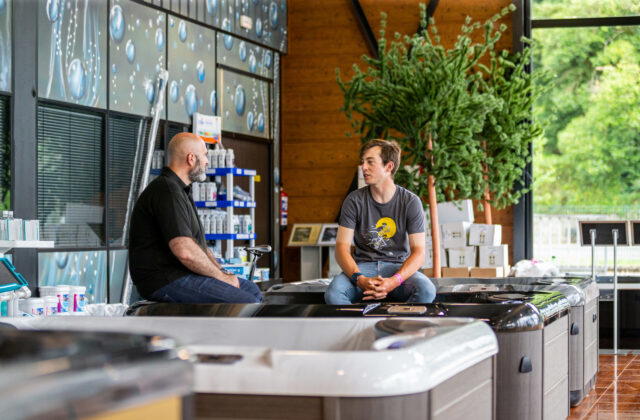
If you are not sure the full setup is for you, spend an afternoon somewhere that has all three before committing. Twenty minutes moving between hot, cold and rest tells you more than any amount of reading.
Create Your Home Spa With Platinum Spas
A home spa should fit your garden, your budget and the way you actually live, rather than a picture of someone else’s. Getting the hot tub right is the foundation, and everything else can follow at your own pace.
If you are planning a setup and want help choosing the right model for your space, the Platinum Spas team would be glad to talk it through.
Get in touch with us to learn more.